Thai police arrest 26 in suspected transnational crime network raids

Thai police arrested 26 people in a crackdown on a suspected transnational scam network.
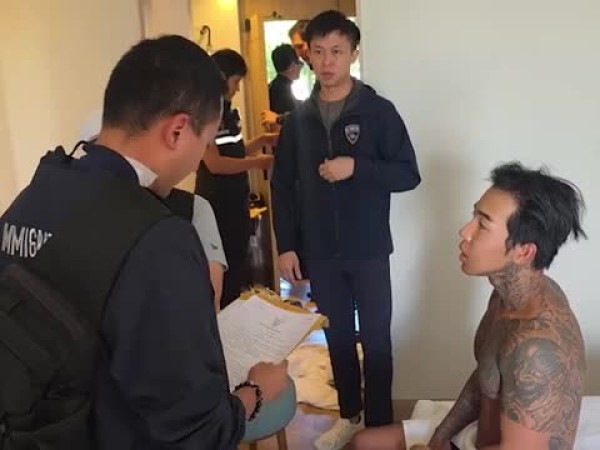
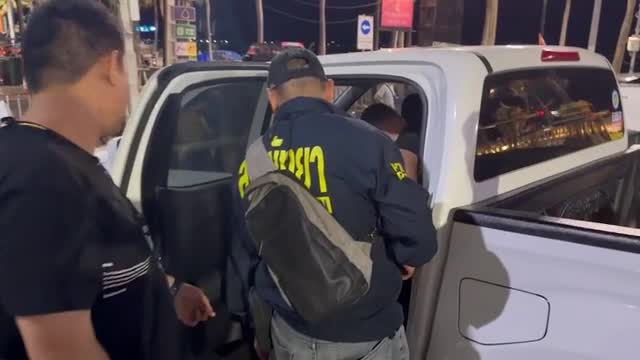
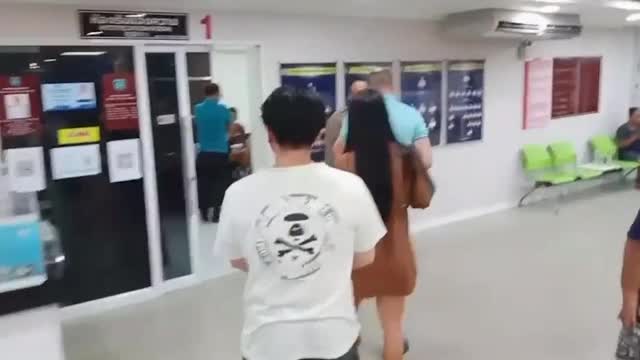
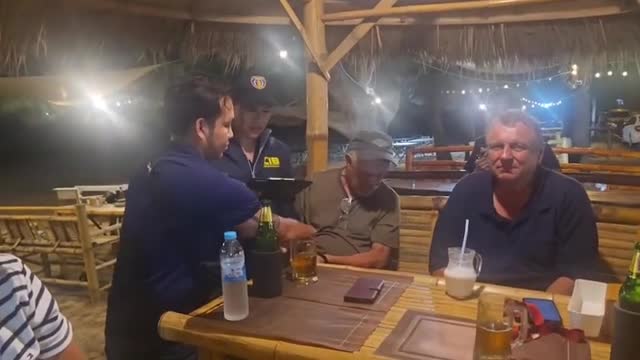
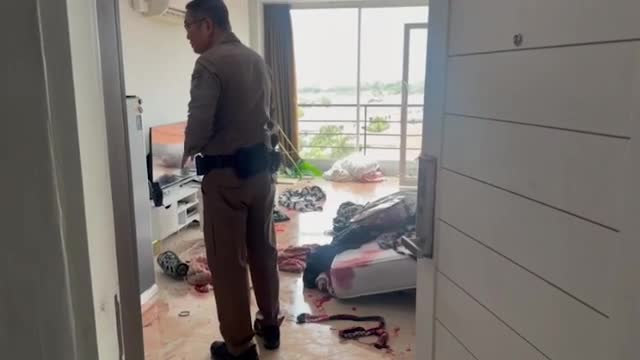
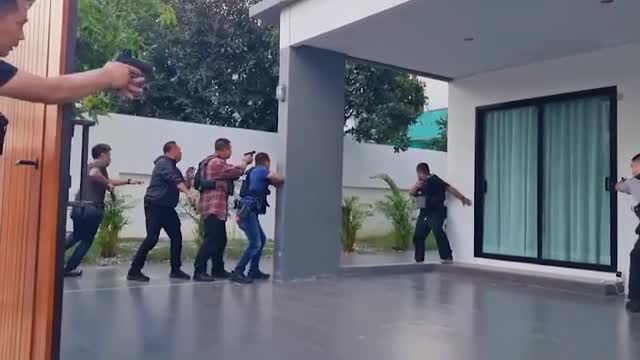
Highway police said they have detained 19 Chinese nationals, one Taiwanese national and six Thais in five raids in Chumphon and Surat Thani between February and September.
The 20 foreigners allegedly travelled illegally into Thailand to reach Malaysia while fleeing scam crackdowns in neighbouring Myanmar. They were charged with entering and remaining in Thailand without permission.
While six Thai suspects were charged with allegedly helping them enter Thailand illegally.
Officers seized six vehicles and more than 150 mobile phones allegedly linked to the suspected scam worker trafficking operation.
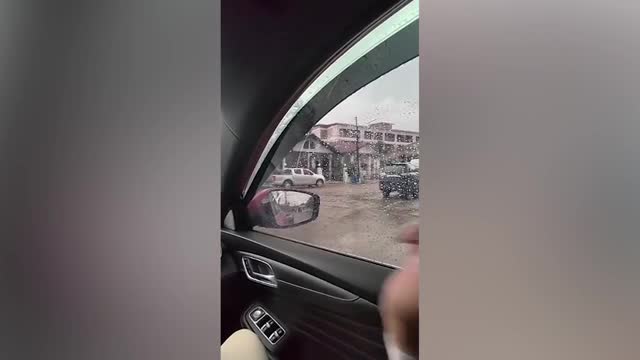
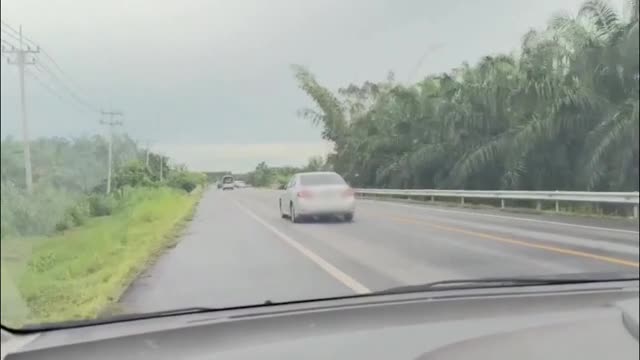
The first operation took place on February 7, when officers stopped two vehicles on Highway 41 in Chumphon carrying two Thai drivers and eight Chinese passengers.
None of the Chinese nationals could produce passports or documents proving they were legally in Thailand.
The drivers claimed they had been hired by a Thai man named Prasobchok through LINE to collect the passengers in Lat Krabang, Bangkok, and take them to Hat Yai in Songkhla, bordering Malaysia, for 15,000 baht each.
Police seized more than 150 mobile phones and arrested Prasobchok, who allegedly coordinated the journey.
The Chinese Consulate later found that one passenger was wanted on an arrest warrant for alleged call centre fraud.
On June 29, Chumphon highway police intercepted a bus carrying four Chinese men allegedly involved in online scams.
They could not produce immigration documents and allegedly admitted entering Thailand illegally before planning to travel to Malaysia.
On July 29, Surat Thani officers stopped a Toyota Fortuner carrying a Taiwanese passenger who could not show immigration documents.
He allegedly entered Thailand through a natural border crossing from Cambodia and hired a Thai driver to take him to Hat Yai before crossing into Malaysia. Taiwanese authorities later found he was wanted on a fraud warrant.
On August 20, officers stopped a Hyundai H-1 on Highway 41 after it overtook their vehicle with its windows covered by curtains. Inside were two Thai men and five Chinese nationals without immigration documents.
The Chinese passengers allegedly said they had entered from Cambodia and hired Thai drivers to take them to Malaysia for 20,000 baht.
The Chinese Consulate found that two of the passengers were wanted for online fraud.
The latest case came on September 15, when police stopped a car carrying two Chinese passengers travelling south from Lat Krabang in Bangkok.
The driver was Prasobchok, who had previously been arrested in February and was serving a suspended sentence.
Police allegedly found images and videos on the passengers' phones linked to an online scam operation, including footage of a Chinese man being tortured with a baseball bat and shocked with an electric baton after failing to meet quotas.
The passengers claimed they had worked for scam networks in Cambodia and Myanmar before entering Thailand to travel to Malaysia.
Police said all five operations followed a similar pattern.
Police Major General Pornsak Laorujiralai, Highway Police Commander, said: 'The five incidents show a clear movement of criminals sneaking into Thailand and travelling through the South to Malaysia to set up a new base.
'The relocation is part of the criminals' strategy to eliminate evidence, avoid arrest and relocate scams.'
Authorities said they are investigating possible links to transnational crime and online fraud networks.
Crime gangs operate sprawling fraud and human trafficking networks across Thailand, Cambodia, Laos and Myanmar, with many bases hidden inside heavily guarded compounds in remote border areas.
The region forms the notorious Golden Triangle where the borders of Thailand, Laos and Myanmar meet around the Mekong River.
At the heart of the Golden Triangle lies the Golden Triangle Special Economic Zone (GTSEZ), run by notorious Chinese business tycoon and suspected crime boss Zhao Wei in the Chinese vassal state Laos. Communist chiefs are said to turn a Nelsonian eye to his wrongdoing.
In 2007, Zhao brokered a deal with the Laos government and obtained a 99-year lease to build the zone on a 39-square mile patch of impoverished Bokeo province.
The Chinese businessman claims to be a benefactor as he touts the GTSEZ as a tourist and economic hub designed to bring more income and investments into the country. However, both local and international law enforcement agencies believe it is a front for organised crime, including human trafficking, drug trafficking, and call-centre scams.
International authorities have struggled to take down the gambling empire as the Laos government itself is said to be protecting the GTSEZ, in which it has a 20 per cent stake.